

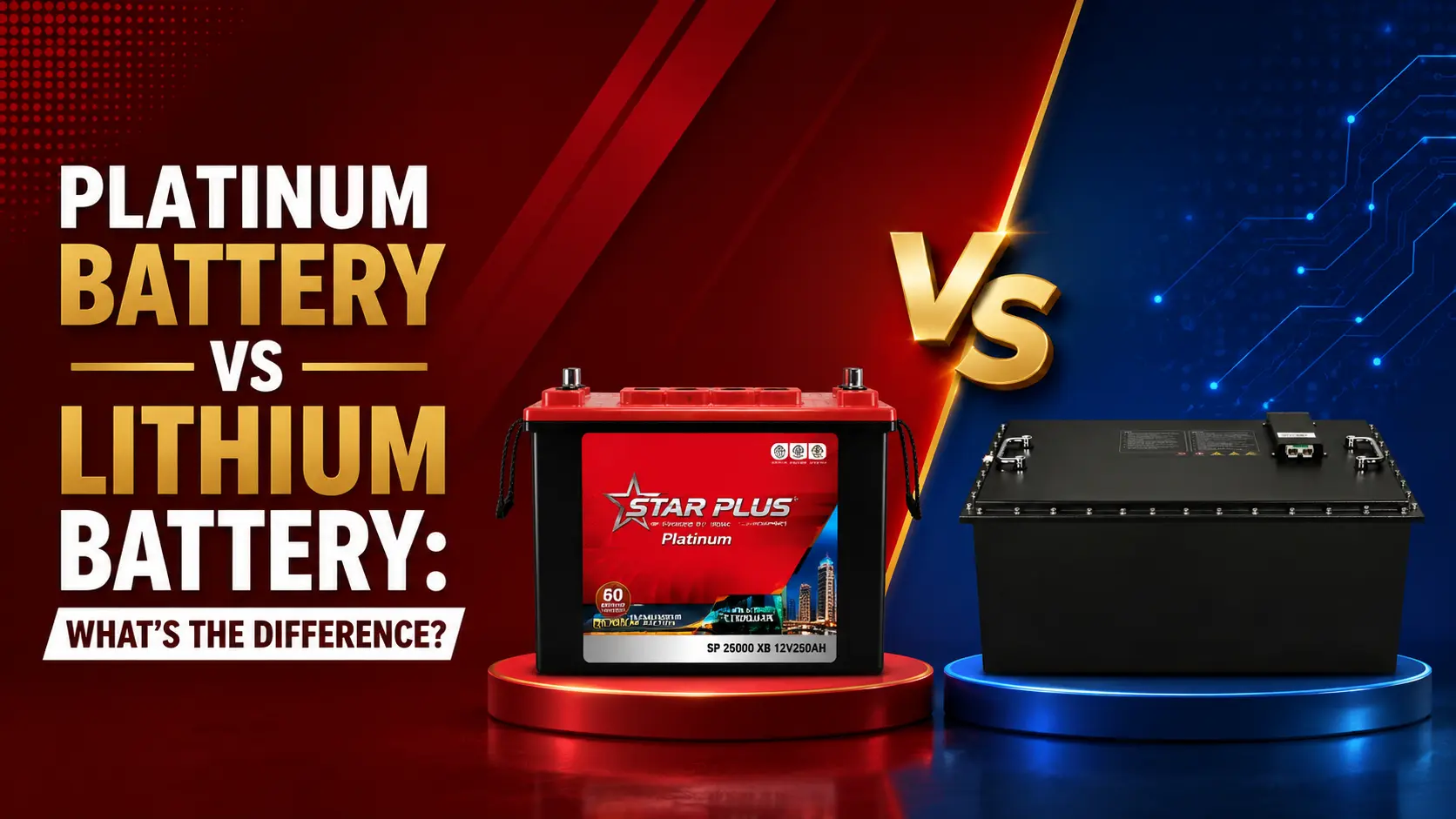
Nigeria has continued to face frequent power outages over the years. In some regions, prolonged outages impose a severe impact on household and commercial sectors. With rising demands for power backup, the supply of various battery-powered inverter systems is prevalent. Among the available options is the lithium-ion battery. While lithium batteries have gained popularity in Nigeria due to their compact design and fast-charging capabilities, concerns about safety, reliability, and performance under certain conditions remain important considerations for consumers.
So, what’s the safer alternative? As Nigeria’s No. 1 Inverter Battery Brand, we have introduced our Platinum Battery as a reliable alternative to lithium risk. We’ll explain why you can buy a platinum inverter battery in Nigeria to help ensure a safer future.
Here’s what you need to know.
What is the Major Issue with lithium batteries?
Lithium batteries now in circulation across Nigeria pose the primary risk of fire outbreaks caused by Thermal Runaway. Many Chinese manufacturers export lithium batteries to Nigeria at lower prices, without warning consumers about the associated risks.
Low-quality and faulty lithium batteries are sold with big claims of advanced technology, leading consumers to believe they are the best possible power backup. But low-quality, poorly manufactured lithium batteries pose a serious threat.
Thermal Runaway
Lithium batteries are highly temperature-sensitive, and Nigeria’s hot weather makes them even more heat-sensitive over time. If the battery cell is damaged, overheated, or overcharged, it enters into a chain reaction called Thermal Runaway. Low-quality lithium batteries have limited heat resistance and longevity, making them prone to overheating.
As the battery continues to get hotter, it generates even more heat internally. This self-escalating reaction can release flammable gases and ignite nearby cells. When the temperature becomes uncontrollable, the battery ignites and bursts into flames, creating serious damage.
Toxic gases such as Hydrogen Fluoride (HF), Carbon Monoxide (CO), Hydrogen Cyanide (HCN), and Volatile Organic Compounds (VOCs) are simultaneously released during overheating. It results in severe respiratory diseases like bronchitis.
Example: Kano Singer Market Fire Incident
One major example of a lithium battery-instigated disaster is the Kano Singer Market fire in February 2026. Poorly installed and overheated lithium-ion solar batteries were identified as the main cause of fires in the market. Over 1,000 shops were damaged, with N5 billion property loss reported alongside 7 missing people and a significant number of lives in danger.
As the incident was taken under control by Nigerian authorities, the risks were minimised. Unprecedented risk with lithium batteries and their massive negative impact has increased the threats to Nigerian lives and has influenced people to seek a safer alternative.
How Can Platinum Battery Resolve Lithium Issues
Addressing the lithium battery issues, Platinum Battery is specifically designed to withstand Nigerian weather and changing climatic conditions. Here’s why it is safer to buy platinum inverter battery in Nigeria:
1.High-Temperature Electrolyte Formulas
The high-temperature electrolyte formula is Star Plus Platinum, which can withstand high temperatures and harsh weather. Advanced design minimises overheating, reduces gassing, and improves overall operational safety.
2.In-Built Electrolyte Level Indicator
With an in-built electrolyte level indicator, Platinum Battery provides customers with an idea of the water level. So, if a water top-up is necessary, the consumer can do it in advance to prevent excessive water loss and the need for urgent maintenance.
3.Spill-Proof Vent Caps
Unlike lithium batteries, which may release toxic gases when overheated, Platinum Battery features advanced spill-proof vent caps.
Spill-proof vent caps are designed to prevent acid spillage and regulate internal gas pressure. In-built fume arrestors can reduce gas escape into the atmosphere and prevent sparks from entering the battery. Thereby, prevent any sort of fire.
Platinum vs Lithium: What are the Key Differences
While thermal runaway is the primary issue with lithium batteries, other challenges are also addressed by Star Plus Platinum. Here are the key differences:
|
Final Thoughts
Want to buy platinum battery in Nigeria? Good Choice. As a safer alternative to lithium, a platinum battery can power Nigerian homes under Nigerian weather conditions and support the Nigerian economy.
Connect with us today for any product information, purchases, bulk orders, repairs, replacements, and installations.
0 Comments